


Prevention is often described as a strategic priority, but this article looks at what it means when a health system tries to move that idea closer to practice.
NHS Chief: ‘A Good Start on Prevention, but More to Do’
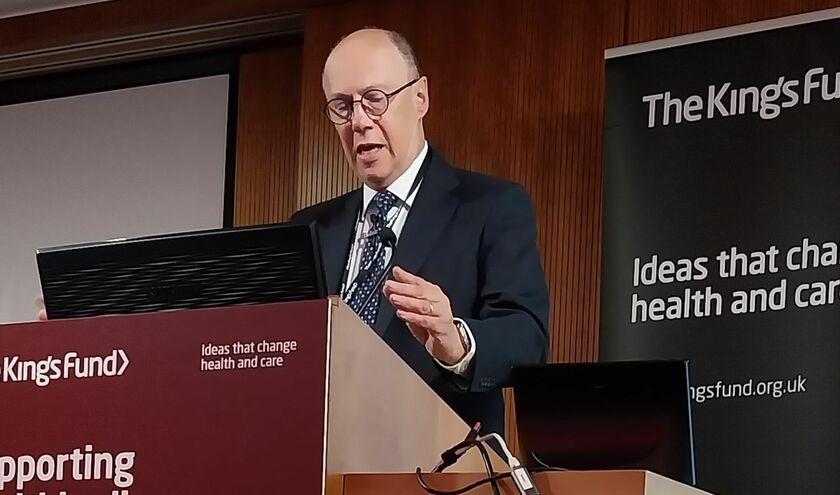
On 18th October 2024, Professor Stephen Powis, the National Medical Director of the NHS, acknowledged that while the health service has made a ‘good start’ in its efforts towards prevention, much more work is needed. Speaking at a conference on prevention at The King’s Fund in London, Prof Powis emphasised that there has ‘never been a more pressing time for prevention in health.’
He pointed out that the NHS needs to be more proactive in its approach, particularly in community health, and organise differently to focus more on addressing multiple health conditions. He stressed that the path to better prevention lies in greater use of innovation and technology, as well as empowering individuals to manage their health, through tools like the NHS App.
Prof Powis also highlighted the importance of a well-functioning social care system in supporting the NHS’s efforts. He said that the NHS plays a pivotal role in primary prevention at a population level by backing government initiatives such as the Tobacco & Vapes Bill. He noted that significant progress has been made on national programmes related to respiratory illness, stroke, cardiovascular disease, diabetes, obesity, and prevention.
In his concluding remarks, Prof Powis emphasised the need to accelerate current efforts and continue to innovate in the field of prevention:
“We can, when we put our minds to it, make this work. There’s more to do by going harder and faster with the things we are already doing, but also by finding new ways to focus on prevention. If we do that, I believe there is a good chance we can make a real impact on the challenges we face.”
This message reflects the growing recognition that preventive measures are essential for tackling the increasing burden on the NHS and ensuring better health outcomes for the population.